Birding Safaris In Tanzania

Bird Watching Safaris In Tanzania

With over 1,100 birds recorded, of which more than 800 are resident and nearly 200 are regular migrants, it is correct to mention Tanzania as a good birding destination. Tanzania boasts one of the largest bird species lists of any African country: About 40 endemic species are recognized (some are controversial).

That said, plenty of ornithological research has been carried out here in the past twenty years, massively increasing the information and resources available for Tanzania birding tours and safaris. Expect to encounter both endemics, near-endemics and the speciality birds. Those nature lovers planning their Tanzania birding tours, you can never go wrong with this safari country.

Some of Tanzania’s endemic bird species are easily seen in the Northern circuit include ashy starling, yellow-collared and Fischer’s lovebird and grey-breasted spurfowl whereas other national endemics are restricted to the Eastern Arc Mountains, the country’s most important birding area. Migrants are present from November to April.

Birding Safari Packages

Our birding safaris coupled with world class accommodation and proper logistics, can be customized to deliver unique nature experiences. Discover from birding trips in Serengeti featuring topmost accommodation choices and beach trips with never-ending options from secluded beach front cottages, to high-end safari lodges with breathtaking scenery, excellent services which are standard all through. Browse below our Tanzania birdwatching itinerary ideas.

Ngorongoro Safaris Tanzania

4-Day Tanzania Safari Adventure

Out of time? Opt for a 2-day escapade to Lake Manyara National Park and Ngorongoro Conservation Area!
Tarangire Safari Packages

Tanzania 5-Day Safari

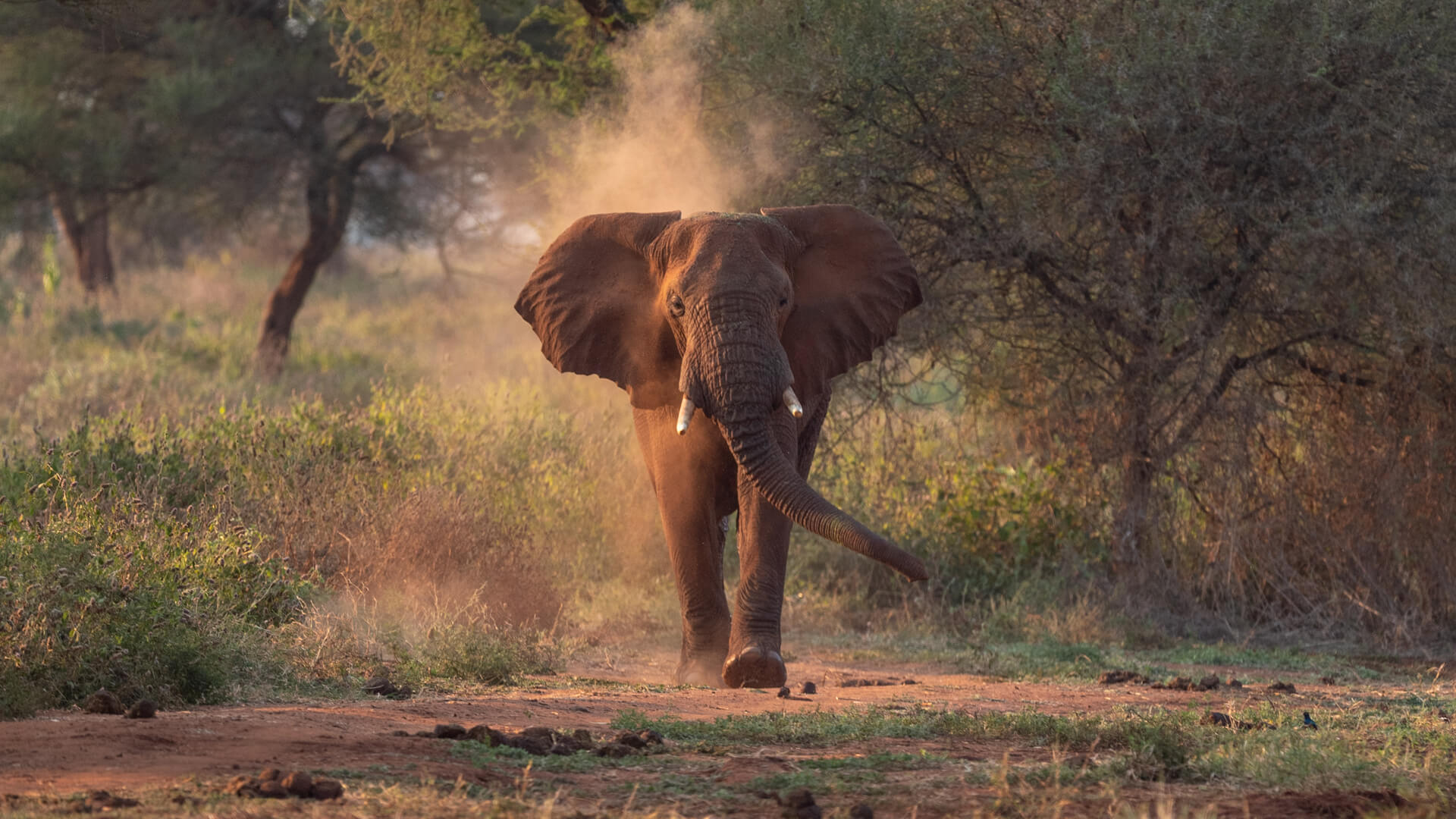
Start in Tarangire National Park, celebrated for its baobab trees, large elephant herds, and diverse wildlife.
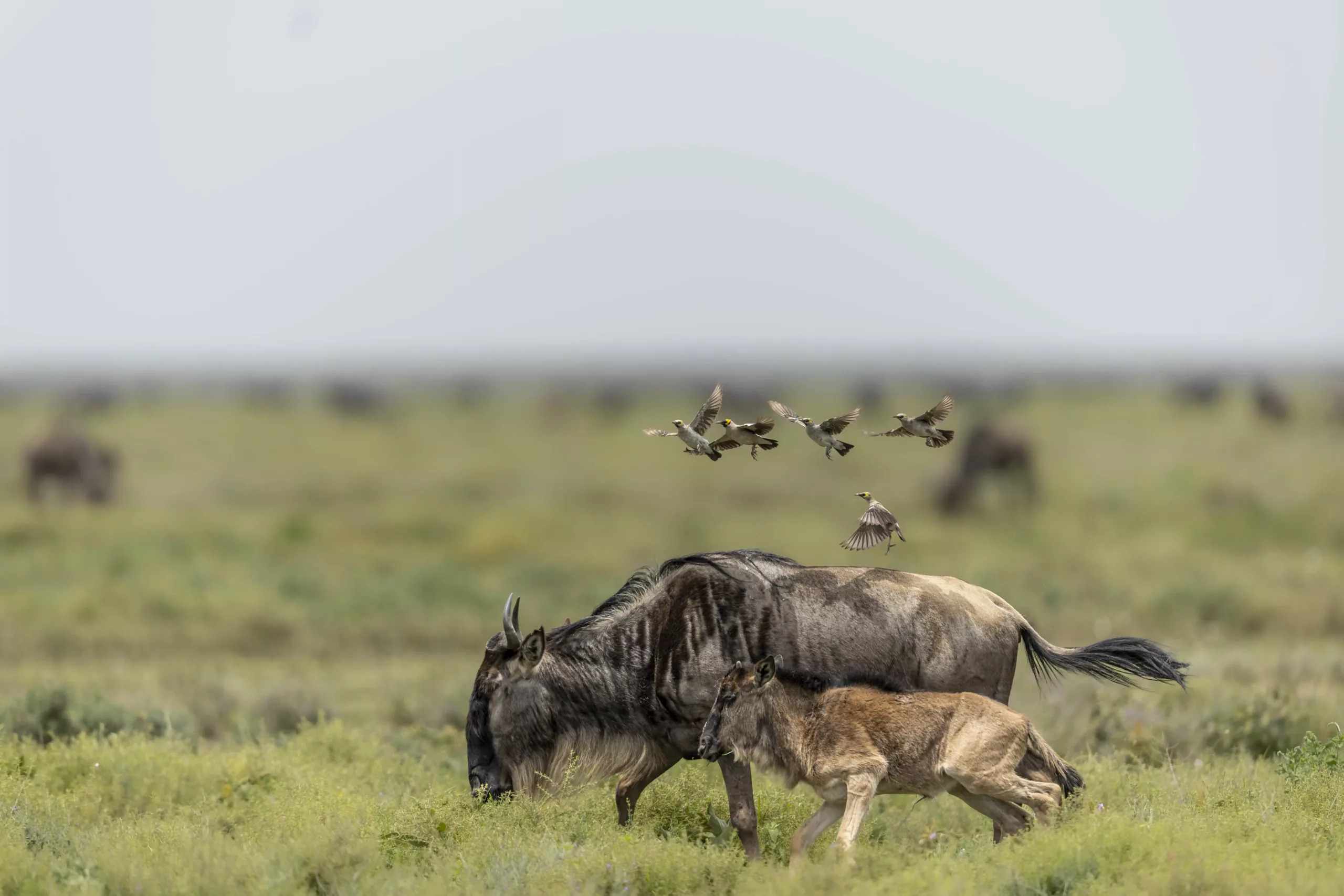
Serengeti River Crossings

6 Days Tanzania Wildlife Safari

Spend a full day game-driving in the legendary Serengeti National Park, home to the Big Five safaris.
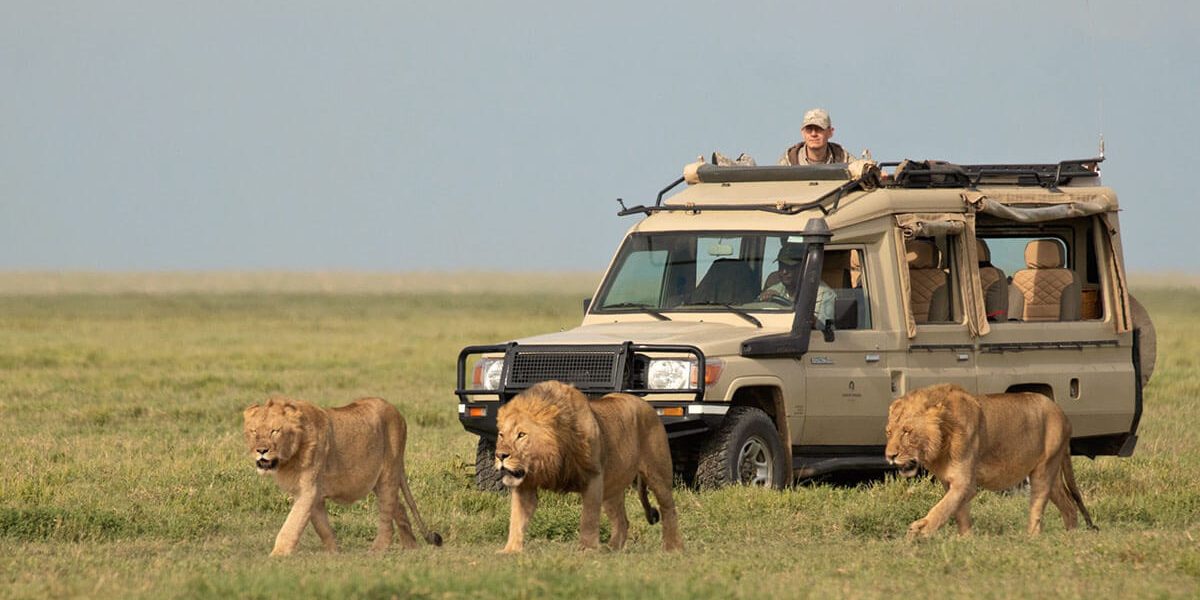
Tanzania Serengeti Safari

7- Day Luxury Safari Tanzania Itinerary

Begin at Lake Manyara with its tree-climbing lions, then head to Tarangire to see elephant herds and iconic baobabs.

Tanzania Luxury Safaris

8-Day Tanzania Private Safari

Stay in Tanzania luxury lodges or tented camps, with gourmet meals and exceptional service throughout.
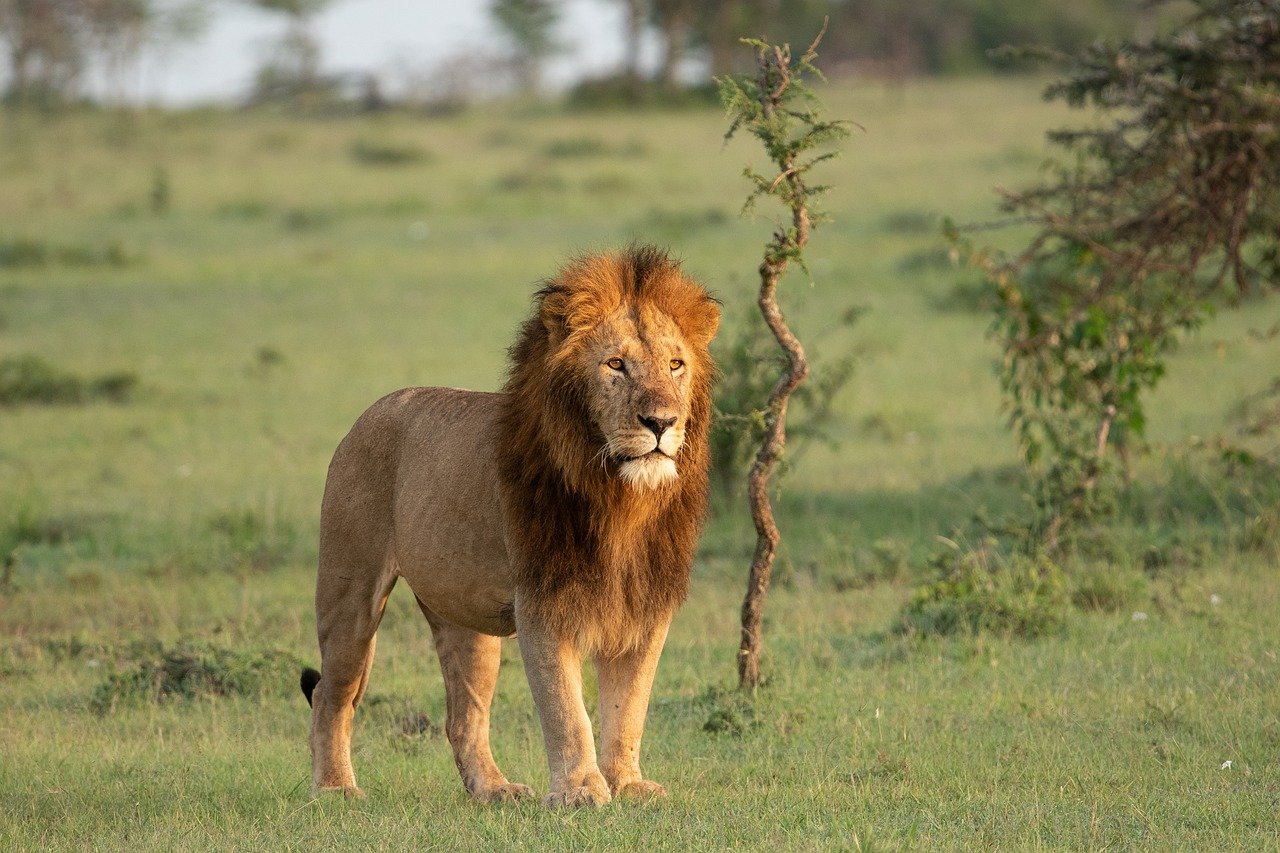
Safaris In Serengeti Tanzania

10-Day Tanzania Only Safari Itinerary

Safari continues to Tarangire National Park for more game viewing drives thereafter leave for Lake Manyara National Park
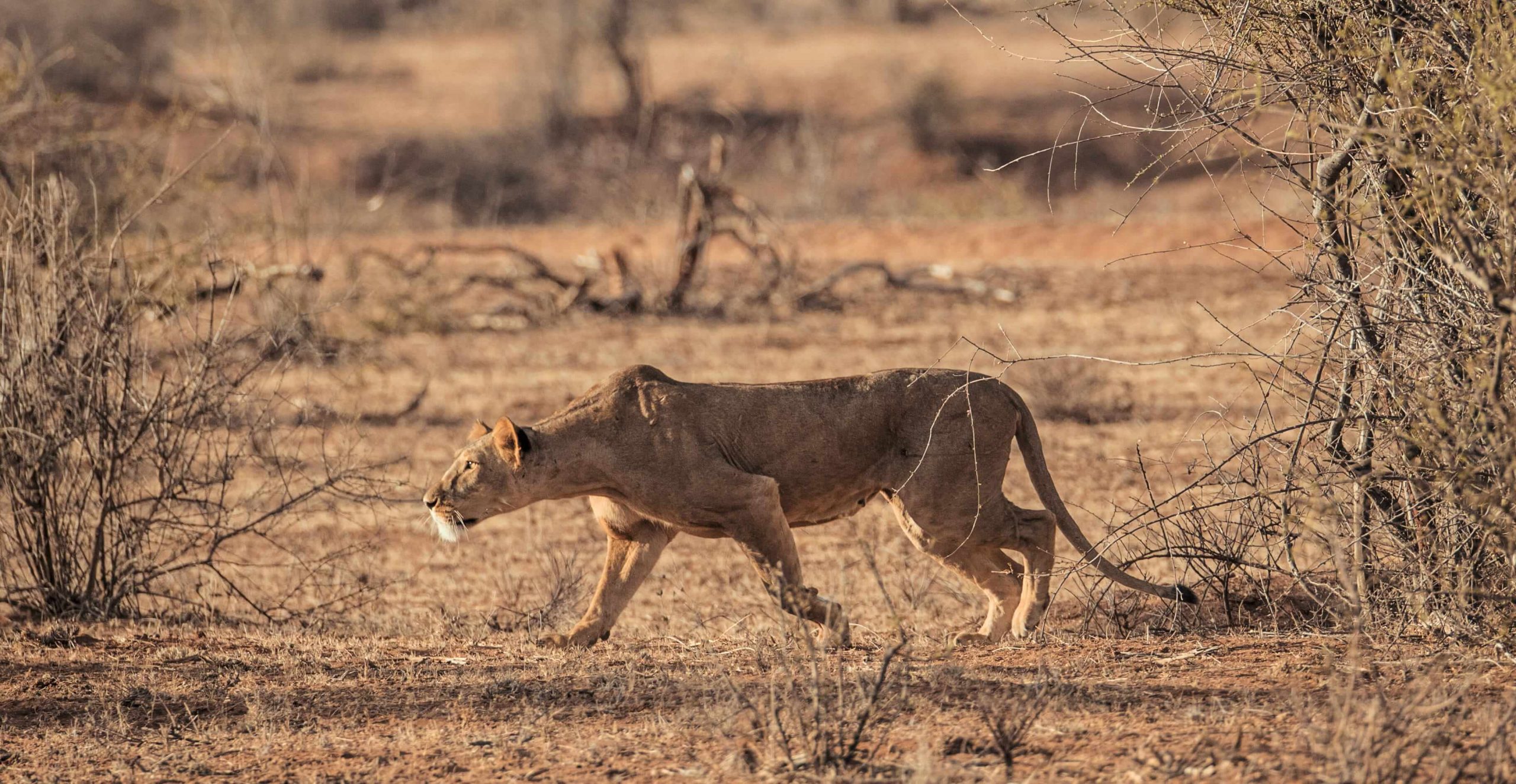

Why Go on A Honeymoon In Tanzania?

Tanzania offers quite an unforgettable blend of adventure, natural beauty, and romance with most of the romantic honeymoons in Tanzania easily tagged onto beach holidays. With that in mind, below are our best reasons for choosing honeymoon holidays in Tanzania.

A touch of luxury – luxury safari lodges in dramatic locations with intimate views, private plunge pools, and outdoor showers.

Safari & beach holiday combination – easily pair a wildlife safari honeymoon in Tanzania and Zanzibar beach retreat for romance and relaxation.

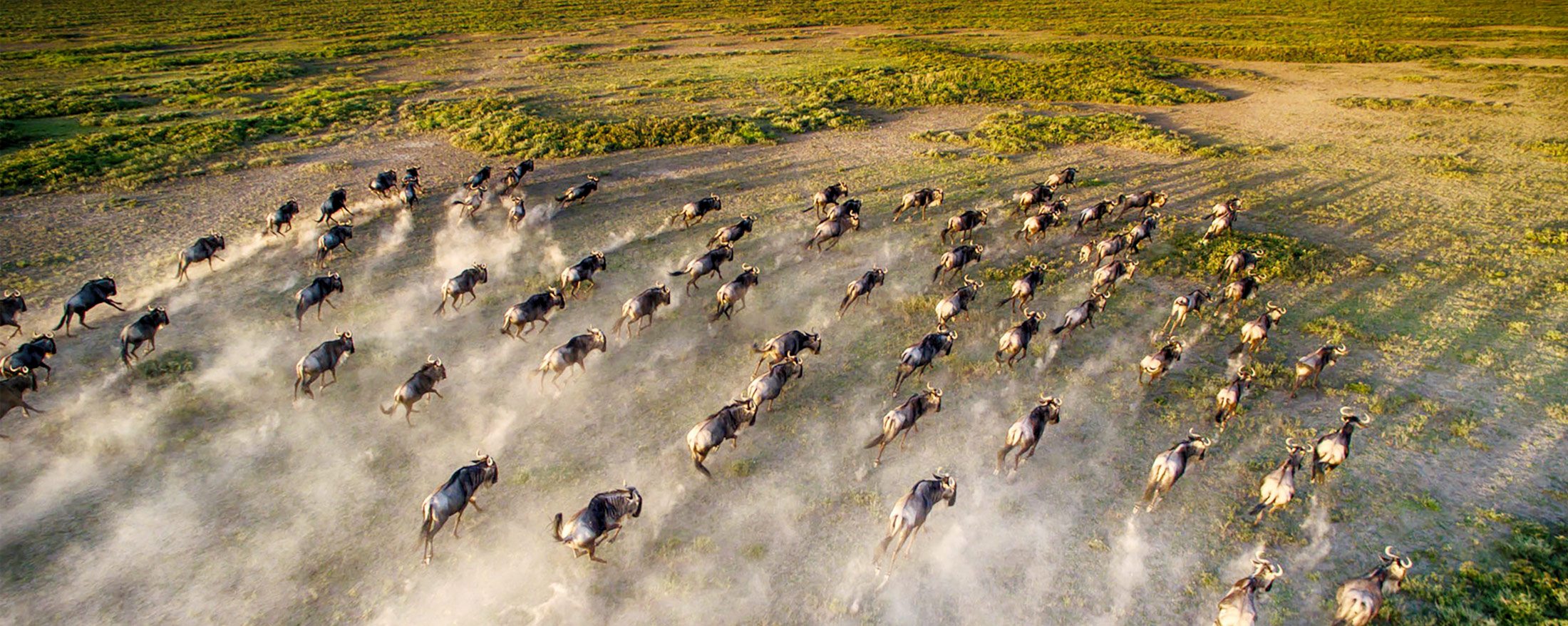
Wildlife – from excellent Big Five safari sightings to wildebeest river crossings migration, Tanzania is a good game viewing destination.

Romantic touches – more of quieter moments together – expect the scenic picnics, candlelit bush dinners, privately guided game drives, thrilling activities including hot-air balloon safaris over the Serengeti, a truly personal experience.

Birds You Can Expect to See In Tanzania

Listed as a very important country ornithologically, our Tanzania birdwatching safaris are the perfect match for those passionate about birdwatching, with detailed custom-made tours that focus on the diverse birdlife often overlooked amidst Tanzania’s celebrated wildlife.

It’s important to understand that birding in Tanzania is not only recommended for endemism, Tanzania’s diverse terrains make for a beautiful bird watching safari experience with over 1000 species recorded.

While we cannot guarantee sightings of the birds or mammals listed below, we believe that encountering these species is quite likely during this birding tour.

Tanzania Luxury Safaris

Lake Manyara National Park

Lake Manyara National Park – encounter lots of migrant, raptor, endemic, and rare species present in the park. Lake Manyara is known for the flamingos that inhabit the lake. More than 400 species of birds inhabit the park and many remain throughout the year. Visitors to the park can expect to see upwards of 100 different species of bird on any day.

Arusha National Park

Arusha National Park – good destination to see waterbirds and raptors. The shallow alkaline Momella Lakes in the north-east have varying algal colours and are known for their wading birds – sometimes tinged pink with thousands of flamingos, the lakes support a rich selection of resident and migrant waterfowl, and shaggy waterbucks display their large lyre-shaped horns on the watery fringes.

Birding at Mount Kilimanjaro

Birding at Mount Kilimanjaro – this area holds a range of forest species including Olive Ibis Bostrychia olivacea and alpine species such as Hill Chat Cercomela sordida and Scarlet-tufted Malachite Sunbird Nectarinia johnstoni. It is also well known for Lammergeier Gypaetus barbatus and Abbott’s Starling Pholia femoralis. The park includes the whole of Mount Kilimanjaro above the tree line and the surrounding montane forest belt. Highland species include several extremely uncommon birds such as Green Ibis, Rufous Sparrowhawk, Mountain Buzzard, Crowned Eagle, Jackson’s Francolin and many more.

Birdwatching at Ruaha National Park

Birdwatching at Ruaha National Park – features as one of the driest protected areas in Tanzania and has a list of over 571 species of birds. It holds important populations of two Tanzanian endemics Ashy Starling Lamprotornis unicolor and Yellow-collared Lovebird Agapornis personatus. Ruaha National Park is the largest national park in Tanzania, and among the resident species are hornbills though many migratory birds visit the park.

Birdwatching at Serengeti Park

Birdwatching at Serengeti Park – lying next to Kenya’s Masai Mara Park, and bordering the Ngorongoro Conservation Area, Serengeti host over 500 species of birds, amongst them are three Tanzanian endemics Grey-breasted Spurfowl Francolinus rufopictus, Fischer’s Lovebird Agapornis fischeri and Rufous-tailed Weaver Histurgops ruficaudus. Many large flocks of African and Palearctic migrants are easily observed in the Serengeti during peak migratory periods.

Birdwatching tours at Ngorongoro Conservation Area

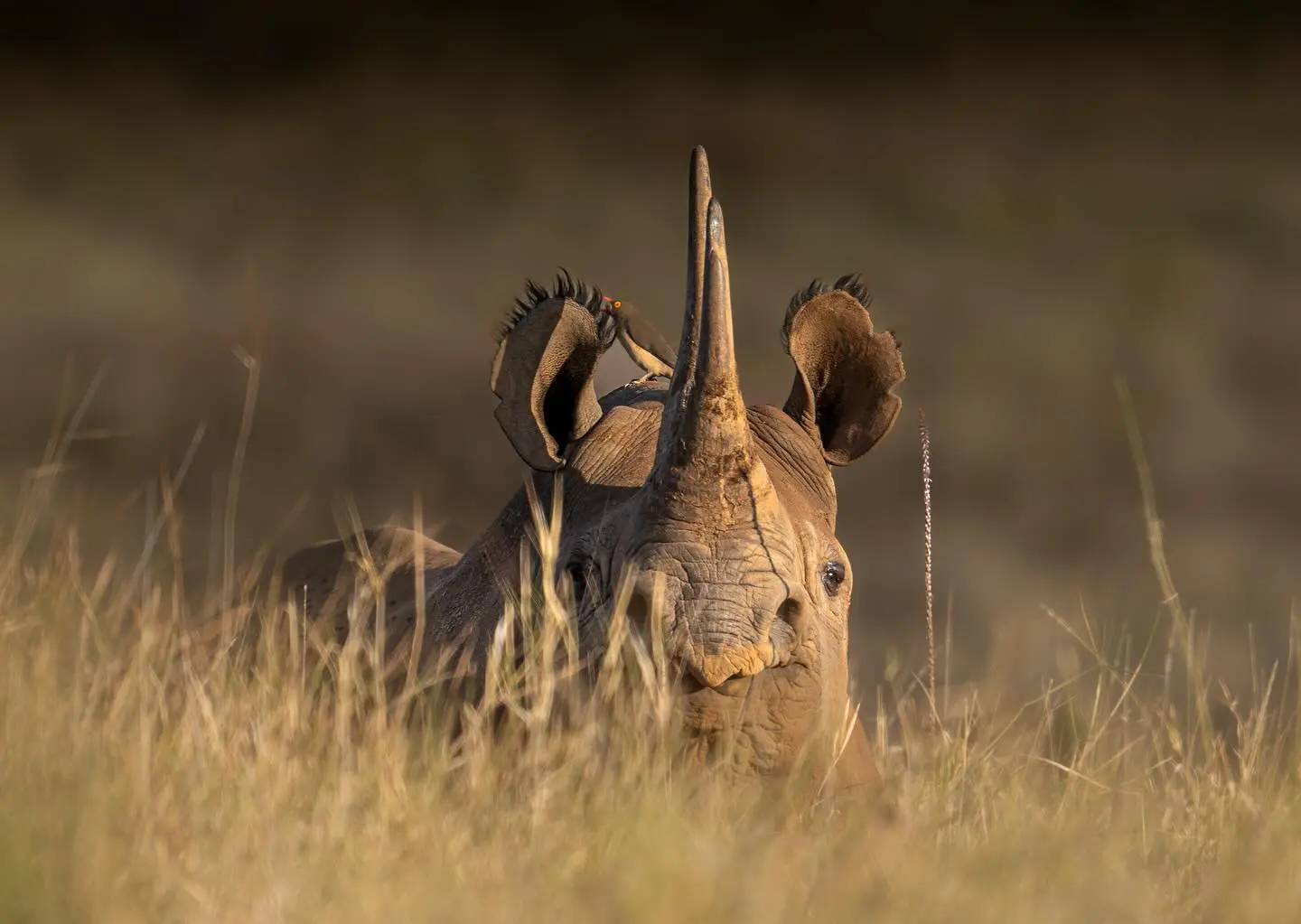
Birdwatching tours at Ngorongoro Conservation Area – along the parts of the crater highlands and at the crater floor, over 500 species are known from this site including the largest known population of Fischer’s Lovebird Agapornis fischeri. Several important wetlands lie within the site, which is important for both Greater Flamingo Phoenicopterus ruber and Lesser Flamingo Phoeniconaias minor. Large mammals, including the endangered Black Rhinoceros, are cradled in this scenic caldera. Recent trends show an increasing fascination with birding and nature tours in Tanzania, offering a distinct and captivating safari adventure.

Birding at Nyerere National Park

Birding at Nyerere National Park – lying south-east of Tanzania and with an area of 50,000 km2 is one of the largest protected areas in Africa. There is no official species list for this site but numerous miombo endemics occur here, and the Rufigi River is excellent for water-birds such as African Skimmer Rynchops flavirostris.

Birding at Dar es Salaam coast

Birding at Dar es Salaam coast – includes tidal mudflats, river inlets, saltpans, mangroves, thickets and offshore islands which create a diverse habitat with a remarkable list of over 450 species. It is of major importance for migratory waders including Grey Plover Pluvialis squatarola, Little Stint Calidris minuta and Curlew Sandpiper Calidris ferruginea.

Birdwatching safaris at Lake Natron

Birdwatching safaris at Lake Natron – a shallow soda lake on the floor of the Eastern Rift valley and extends 58 km south from the Kenyan border. The lake is the only regular breeding area in East Africa for the 2.5 million lesser flamingo (Phoeniconaias minor) and its arid surrounding habitat, especially if one traverses across country toward Mt. Longido and West Kilimanjaro plains, offers unique opportunities for Buff-crested Bustard Eupodotis gindiana, Spike-heeled Lark Chersomanes albofasciata etc. It is also excellent for mammals such as Gerenuk, Steenbok and occasionally Lesser Kudu.

Lake Victoria birdwatching

Lake Victoria birdwatching – Lake Victoria has four IBA’s which are important for cormorants, egrets and herons and one of which Rubondo Island National Park holds Sitatunga and Spotted-necked Otters. Others include; Yellow-billed Stork, Sacred Ibis, African Spoonbill, & Fish Eagle among many more. This lake is home to over 400 species that can be seen in just a couple of days.

Mkomazi Game Reserve

Mkomazi Game Reserve – holds a number of species which are found at the southern limit of their range, extending to the southern base of the South Pare Mountains. These include Friedmann’s Lark Mirafra pulpa, Pygmy Batis Batis perkeo, Three-streaked Tchagra Tchagra jamesi, Shelley’s Starling Lamprotornis shelleyi and Pringle’s Puffback Dryoscopus pringlii. The park covers over 3,234 square kilometres (323,400 ha), and is dominated by Acacia-Commiphora vegetation.

Zanzibar birding holiday

Zanzibar birding holiday – Zanzibar features two IBA’s which are important for waders and terns including non-breeding populations of Crab-plover Dromas ardeola. In addition, the Jozani Forest Reserve on Zanzibar contains the only remaining forest on the island and holds endemic races of Fischer’s Turaco Tauraco fischeri, Little Greenbul Andropadus virens and Grey Sunbird Cyanomitra veroxii. East Coast Akalat Sheppardia gunningi can be found as well. The Jozani Chwaka Bay National Park – 50 species of butterfly and 40 species of birds are known to reside there.

East Usambara Mountains

East Usambara Mountains – this is amongst one of the most important areas on the African mainland for the conservation of globally threatened species. Usambara Eagle Owl Bubo vosseleri, Sokoke Scops Owl Otus ireneae, Long-billed Tailorbird Orthotomus moreaui, Dappled Mountain-Robin Arcanator orostruthus, Swynnerton’s Robin Swynnertonia swynnertoni and Usambara Weaver Ploceus nicolli all occur here. The West Usambara Mountains have been less studied outside the Lushoto area but are none the less important for species such as Usambara Akalat Sheppardia montana, Banded Sunbird Anthreptes rubritorques, Sharpe’s Starling Pholia sharpii and Usambara Weaver Ploceus nicolli. The best locations to find this species regularly being Mazumbai and Magamba. The Usambara Mountains are fairly unique in East Africa with their natural regions still covered in tropical forests.

Pemba Island

Pemba Island – lying 55 km off the mainland and holds 4 endemic species, Pemba Green Pigeon Treron pembaensis, Pemba Scops Owl Otus pembaensis, Pemba Sunbird Cinnyris pembae and Pemba White-eye Zosterops vaughani.

Top-Rated Birding Destinations In Tanzania

Tanzania’s variety of species of birds, over 1000, vary in each location due to the country’s geographic diversity. From mountain forest to tropical coast, every conceivable altitude range: deserts, open savannah grassland, lowland forest, bush and scrub, lakes and mudflats.

Although you’ll have to go off the beaten track to find most of the national endemic and near-endemic birds, all the top Tanzania safari destinations offer great birding opportunities – bird sightings are pretty much everywhere you go.

honeymoon safari tanzania

Tanzania’s best birdwatching destinations include the often-overlooked Arusha National Park which has a large diversity of habitats, hosting an incredible list of 400 species in a small area, Lake Manyara National Park which offers a good variety of waterbirds, Tarangire National Park which hosts several dry-country specials along with Serengeti Park, Ngorongoro Crater, Ruaha National Park, Rubondo Island National Park, Lake Victoria, Lake Natron, Lake Eyasi, Usambara Mountains & Mt. Kilimanjaro area.

Best Time To Go Bird Watching In Tanzania

The birdlife in Tanzania is good year-round but at its best from November to April when Palearctic and intra-African migratory birds are present. At this time, many resident bird species are in breeding plumage and nesting. The migratory period occurs during the Wet season (November to May), which is also the hottest time of the year. The coastal region, especially, can get uncomfortably hot. The wettest months are March to May, when part of the country experiences daily rainfall. For wildlife viewing, the Dry season (June to October) is better. These are just some of the best season for birding safaris in Tanzania.

Other Popular Birds In Tanzania

Discover a taste of both worlds on a combined Tanzania safari and beach honeymoon, action-packed wildlife safaris followed by flying to Zanzibar’s famed beaches.

Whereas Serengeti, Ngorongoro, and Tarangre offer exciting Big Five safaris, authentic bush camps, water safaris, and bush walks, for Zanzibar honeymoon trip ideas, the smaller islands around Zanzibar that make up the archipelago, such as Pemba and Mafia, are a great place to go for couples looking to really get away from any hustle and bustle, but don’t miss out on a trip to Stone Town, the main city on Zanzibar, which is bursting with culture, history and great people, and please don’t forget to check out some of the luxury honeymoon accommodations in Zanzibar.

Things To Bring On Your Birding Safari To Tanzania

Apart from the normal list of what to pack for Tanzania safari, here are some suggestions of what to bring on a bird watching safari:

Masai Mara River Crossings

-A pair of binoculars

-A good hat

-A pair of sunglasses with polarized lenses to reduce glare, protect your eyes and provide additional clarity.

-A pocket notebook for any field notes.

-And most importantly, a good guidebook for identifying East African birds. We recommend the following two books:

Birds of East Africa | (Kenya, Tanzania, Uganda, Rwanda and Burundi) | By Terry Stevenson, John Fanshawe, Brian E Small & John Gale | Helm | 2020 | Edition 2 | Paperback | 640 pages, 289 colour plates, 3500+ colour illustrations, distribution maps |

Birds of Kenya and Northern Tanzania | By Dale Zimmerman, Don Turner, David Pearson, Ian Willis and Douglas Pratt | Christopher Helm | 1996 | Hardback | 740 pages, 124 colour plates, line drawings, 1,000 maps

Best Months to Go Bird Watching In East Africa

An overview of East Africa birding safari calendar.

In Kenya, the Masai Mara region offers excellent year-round bird watching, with peak seasons being:

October to April: Migratory birds join the resident species.

November to December: Short rains bring abundant insect and breeding activity.

March to April: Long rains create the perfect breeding conditions for resident bird species.

In Tanzania, each region offers unique birding opportunities throughout the year:

November to April: Peak season for both migratory and resident bird species in the Serengeti National Park.

January to March: Best period for breeding of resident birds and migrant species in Nyerere and Ruaha national parks.

In Uganda, the birding opportunities are spectacular throughout the year, peaking as migrant species arrive:

December to February: Migrant species from Europe and Asia begin to arrive in November and continue all the way through to April.

June to August: Dry season easier access when exploring trails on foot.

Ready to Plan a Tanzania Birding Tour?

Contact our knowledgeable safari planners now on designing an unforgettable tailor-made African birding safari. Come and discover with us the fascinating birdlife, culture, and serene beauty of East Africa.