
6+ Best Kilimanjaro Trekking Tours
- Home
- 6+ Best Kilimanjaro Trekking Tours
6+ Best Kilimanjaro Trekking Tours
Beginner's Guide To Climbing Mount Kilimanjaro
Towering high above Tanzania at 5,895 m (19,341 ft) above sea level and 4,900 m (16,100 ft) above its plateau base, Mount Kilimanjaro is the highest mountain in Africa and the highest free-standing mountain in the world.
Mount Kenya is the second-highest peak in Africa, after Kilimanjaro, with a peak of (5,199 metres (17,057 feet).
Kilimanjaro is located in the northeast of Tanzania, near the Kenyan border. It lies around 140 kilometres south of Nairobi (the Kenyan capital), and 500 kilometres northeast of Dodoma, Tanzania’s capital.
It’s an incredibly beautiful trek where climbers don’t require technical climbing skills. To reach the summit, one needs only a healthy average fitness level; explore more about our beginners guide to climbing Kilimanjaro.
For many travelers to Africa, climbing Mt Kilimanjaro is a once-in-a-lifetime challenge and we’re here to help travelers like you prepare for this trekking safari. The climb takes in muddy tropical rainforests, unique high-altitude plants and alpine meadows, moorlands and desert uplands before finally arriving at the glacier-coated summit.
Best Kilimanjaro Climbing and Trekking Tours
Dominating the landscape like no other mountain, iconic and instantly recognisable, Kilimanjaro in Tanzania is the highest peak in Africa and the world’s tallest freestanding mountain at 5895 metres. In a matter of days you’ll climb Kilimanjaro from the hot plains of Africa through grasslands, tropical rain forest, alpine meadows, moorlands and desert uplands onto snow and ice. Join us today or browse our featured Kilimanjaro trekking tours.
4-Day Tanzania Safari Adventure
Out of time? Opt for a 2-day escapade to Lake Manyara National Park and Ngorongoro Conservation Area!
Tanzania 5-Day Safari
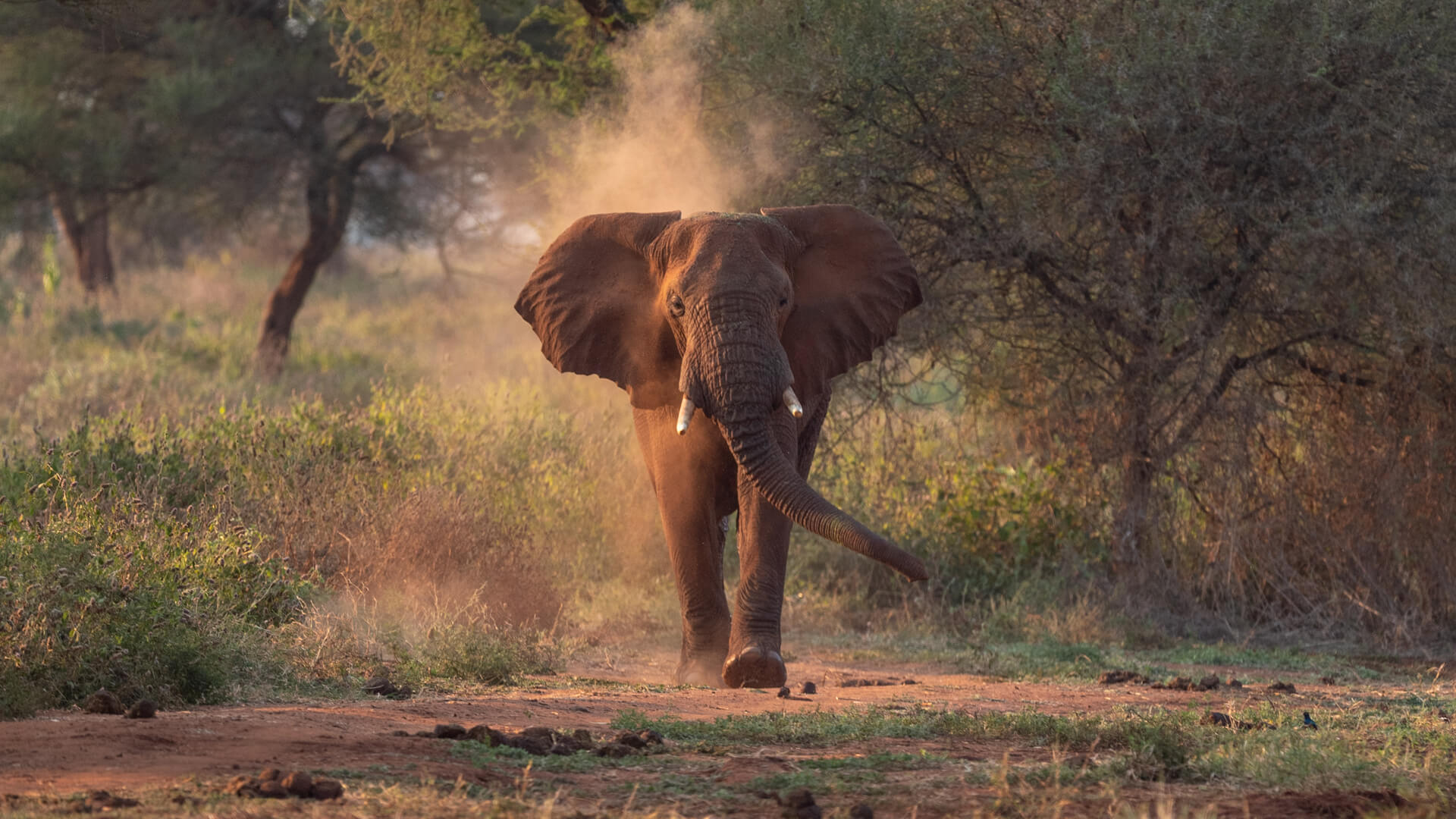
Start in Tarangire National Park, celebrated for its baobab trees, large elephant herds, and diverse wildlife.
6 Days Tanzania Wildlife Safari
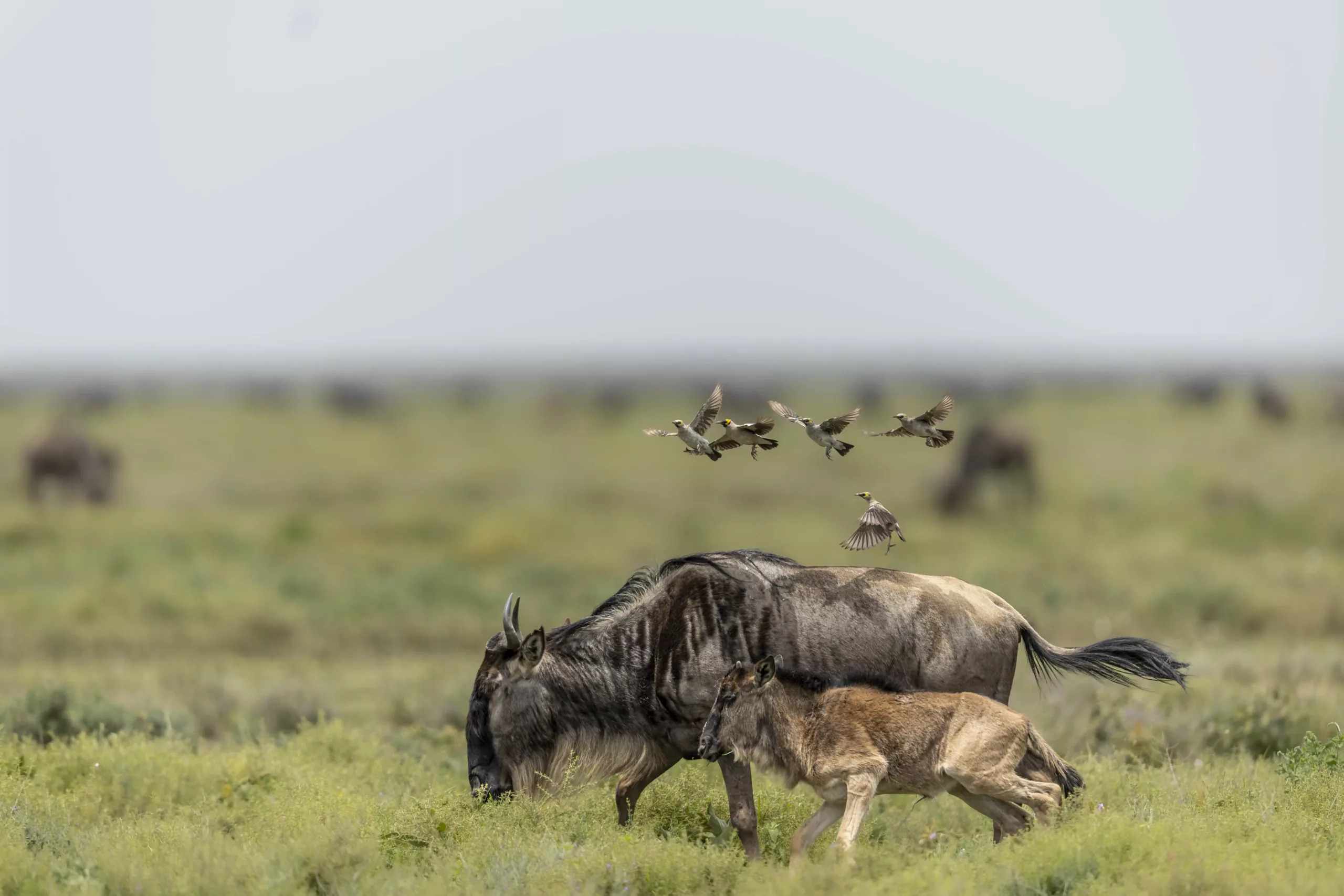
Spend a full day game-driving in the legendary Serengeti National Park, home to the Big Five safaris.
7- Day Luxury Safari Tanzania Itinerary
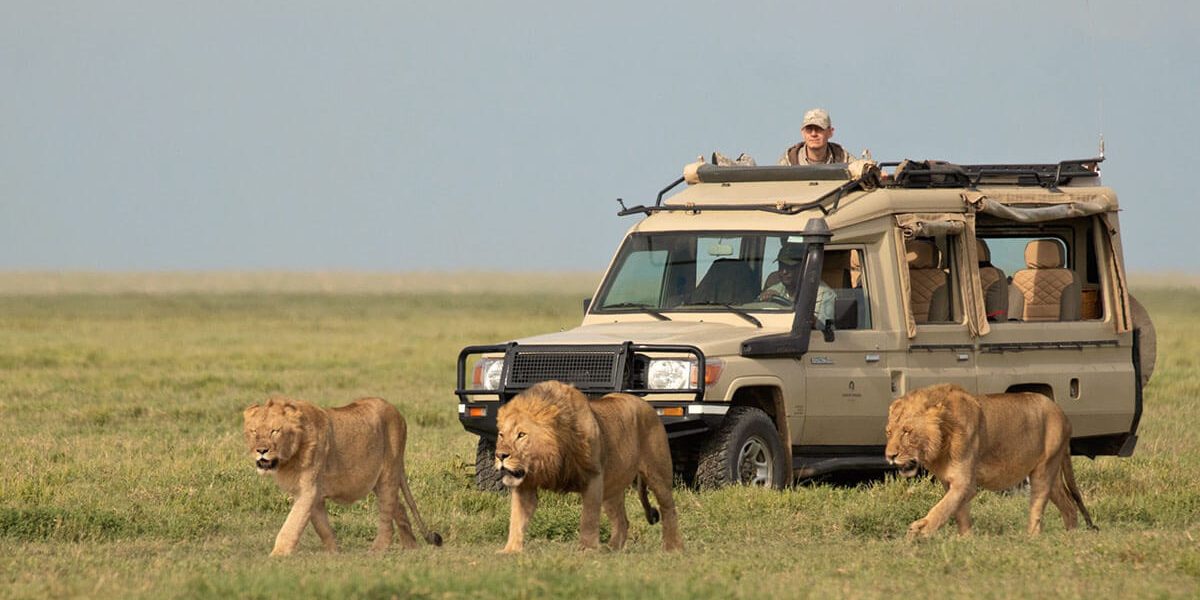
Begin at Lake Manyara with its tree-climbing lions, then head to Tarangire to see elephant herds and iconic baobabs.
8-Day Tanzania Private Safari
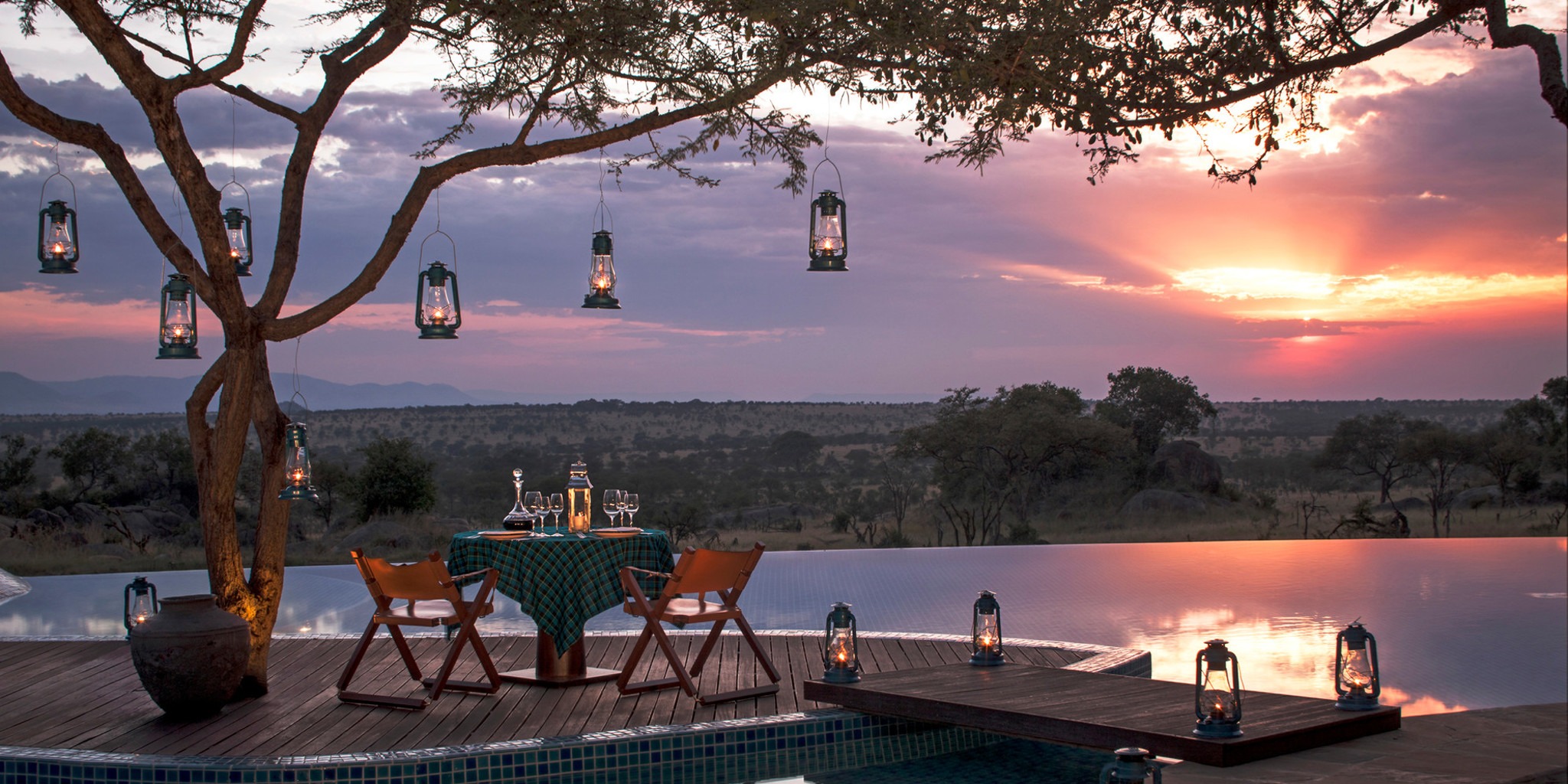
Stay in Tanzania luxury lodges or tented camps, with gourmet meals and exceptional service throughout.
10-Day Tanzania Only Safari Itinerary
Safari continues to Tarangire National Park for more game viewing drives thereafter leave for Lake Manyara National Park
The Main Kilimanjaro Climbing Routes
Kilimanjaro is a major hiking and trekking safari destination. There are seven (7) main Kilimanjaro trekking routes to Uhuru Peak, the mountain’s highest point. Although not as technically challenging as similar mountains, the prominence of Kilimanjaro poses a serious risk of altitude sickness.
These several routes lead to the top, all with different accommodation options, success rates, popularity and length. Routes typically take between 6 and 8 days, although it is recommended to go for at least 6 or 7 days to allow for proper acclimatization.
Accommodations At Mount Kilimanjaro
Sleeping In Mountain Huts Or Private Tents
Various accommodation options are available in the towns south of Mount Kilimanjaro, ranging from hotels to guest houses. Depending on your chosen route, there are two types of accommodation during the trek.
Shared Mountain Huts
On the eastern Marangu route, you will stay in shared wooden huts that accommodate four to six people.
A bed in a hut cannot be booked in advance. Instead, a first come, first serve system allows early arrivals to select their preferred hut.
The huts have electric lights, mattresses, and basic toilets but no heating. Each camp on this route also has a main building where meals are served.
Private Tents
If you decide to embark on the Machame, Lemosho, or Rongai routes, we offer the convenience of a high-quality two-person mountain tent and sleeping mattress for your private use.
Additionally, you can rent a warm sleeping bag from us with a temperature rating of -12°C or bring your own.
Showers And Toilets
During group treks, very basic public toilets are available to use. For private treks, we set up a mobile toilet tent at each campsite specifically for your convenience.
There are no showers available on any of the routes. However, our team will prepare warm water in a bowl for a wash for private and group treks.
Choosing The Best Kilimanjaro Hiking Routes
In short, when choosing these mentioned Kilimanjaro trekking routes, there are two main things to consider;
1. Make sure that the route duration is long enough for adequate acclimatization. 6 to 7 or 8 days Kilimanjaro tours increase your success rate of summiting Kilimanjaro.Travelers on a 6 day trekking Kilimanjaro are an affordable alternatives if you are fit and have some experience of high altitude trekking.
2. Make sure the route provides a climb high, sleep low option. Again, this is a major factor in many climbers’ success on Kilimanjaro.
What To Expect On A Kilimanjaro Climb?
Before every trek, our Trekking Operations Manager gives you an extensive briefing regarding the route, safety procedures, and health issues. You will have an opportunity to ask any questions that you have.
Next, he will inspect the quality of your trekking gear to ensure your safety and comfort on the mountain. If you need any additional equipment, you can rent it from us.
During the trek, you carry a small backpack with essentials such as water for the day’s hike. Our porters will carry all the equipment, food, and additional luggage to set up the camp before you arrive. They are tough climbers and the true heroes of the mountain.
Our mountain guides will lead the way and are responsible for your safety. They have trekked Kilimanjaro hundreds of times and receive regular training. They will encourage you throughout the trek.
They continually assess the weather and the condition of the trekkers. When extreme weather or altitude sickness or injury occurs, they will call the climb off if necessary.
Our cooks are miracle workers. With simple gas cookers, they conjure up 3-course feasts, hot drinks, and snacks to nourish you when you need it most. Our mountain crew fetches drinking water from mountain streams and boils it before you drink it.
Our porters pitch and take down the two-person tents you use. This leaves you to concentrate on getting to the top.
Our camping gear is inspected and cleaned regularly.
7 Best Kilimanjaro Climbing Routes
Listed below are seven main Kilimanjaro trekking routes – Machame Route, Marangu Route, Lemosho Route, Rongai Route, Shira Route, The Northern Circuit Route and Umbwe route.
1. Machame Route (Whiskey Route)
Machame Trekking Route (61km / 6-7 Days)
This 7-day tour has now overtaken the Marangu Route in popularity, but is still known by its older classification of being a more difficult and tougher route, giving it its nickname The Whiskey Route.
You will stay in tents along this route.
Machame has also gained a reputation for being quite crowded but due to the longer hike length, which affords more time for acclimatization, it boasts a much higher success rate (around 85%).
2. Marangu Route (Coca-Cola Route)
Marangu Trekking Route (70km / 6 – 7 Days)
At 6 days this is one of the shorter routes. It used to be the most popular trek and has been named the Coca-Cola Route due to its relative low cost and popularity.
Here, you will sleep in mountain huts, rather than tents.
The route is beautiful, but often considered to be too crowded. Success rates are as low as 50% as you do not have enough time to acclimatise.
3. Lemosho Route On Kilimanjaro
Lemosho Trekking Route (67km / 7-8 Days)
This 8-day route approaches the peak from the west. It is often considered the most scenic route, and is less crowded than the others.
You will stay in tents along this route.
The eight days allow for a particularly high success rate, making it one of the best routes if time (and money) permits.
4. Rongai Route On Kilimanjaro
Rongai Trekking Route (74km / 6-7 Days)
The 6-7 days route starts from the north, taking you through breathtaking scenery. You will be camping on this route.
NB – This route uses vehicles and is done only as a private tour.
The route allows for some flexibility in acclimatization days, so if you are worried about altitude sickness, it is definitely worth it to book an extra day.
The route has around an 80% success rate, going down to 65% if you decide to do 6 days.
5. Shira Route On Kilimanjaro
Shira Trekking Route (58km / 6-8 Days)
The Shira Route is a little used trail that begins near Shira Ridge. It is nearly identical to the Lemosho route. In fact, Shira was the original route and Lemosho is the improved variation. This route is sometimes referred to as the Lemosho route with a “high altitude drop off.”
NB – This route uses vehicles and is done only as a private tour. Shira is a 7 or 8 day private climb
Although Shira is a varied and beautiful route, it is less favorable than its successor due to the relatively high altitude of Shira’s starting point, which is accessed quickly by vehicle. It is possible that climbers will experience some altitude related symptoms on the first day while camping at 11,800 feet.
Also, trekkers who are not sufficiently pre-acclimatized may already develop altitude sickness at this height due to the quickness of the route even though an extra acclimatization day is added as standard for this itinerary.
6. Northern Circuit Route On Kilimanjaro
Northern Circuit Trekking Route (88km / 8-9 Days)
The Northern Circuit Route is the longest route on Kilimanjaro. It’s a 9-day trip that initially goes up the Lemosho route on the western side of Kilimanjaro to the Shira Plateau, then heads north and circles the main summit in a clockwise direction.
It then joins the Rongai route to climb the summit from the eastern side and descend straight down the southern Mweka route.
NB – This route uses vehicles and is done only as a private tour.
The Northern Circuit route is the newest route up Mount Kilimanjaro and arguably the best. That’s because the combination of all of the best elements of the other routes, rolled into one fantastic hike. If you’re looking for beautiful scenery, plenty of solitude, a healthy challenge, and the potential to spot wildlife, this is definitely the route for you.
However, if you don’t have experience with long hiking trips, the 8-day journey may be more fatiguing compared to shorter itineraries.
7. Umbwe Route On Kilimanjaro
Umbwe Trekking Route (48km / 6-7 Days)
Umbwe route is one of the shortest routes to the Southern Glaciers and the Western Breach and is considered the hardest and challenging route on Mount Kilimanjaro. The rapid speed of the ascent and steepness makes acclimatization very difficult.
NB – This route uses vehicles and is done only as a private tour.
The Umbwe Route is the trail for trekkers looking for a true climbing challenge. It is a quiet, seldom used path that can be very difficult, yet very rewarding at the same time. This is the route to choose if you want to test yourself on the slopes of Mount Kilimanjaro, far from the crowds that are found on the more common trails.
Kilimanjaro Mountain Climbing Packages
Here we explore everything you need to know about your Mount Kilimanjaro trek, from our best recommended Kilimanjaro itineraries. Once you’ve made the decision to climb Mount Kilimanjaro, the next step is to choose the best route for you. There are a total of seven main Mount Kilimanjaro routes which lead to the summit. One route begins on the Northern side of the mountain and the remaining six begin on the Southern side. The main question is which route should you choose?
Mount Kilimanjaro Climate Zones
Mt Kilimanjaro has five distinct climate zones, beginning with a subtropical rainforest zone and ending with an arctic one!
Each zone presents its own set of challenges and characteristics for climbers. Those who climb Kilimanjaro must come prepared for all the different climates and zones they’ll experience. Let this serve as your guide to the overall weather on Mount Kilimanjaro and what to expect.
From the dense and lush rainforests to barren alpine deserts and eventually, to the snow-covered summit also known as the Arctic zone, Kilimanjaro covers all of this. The varying temperatures at these different altitudes will affect how you dress on each day of the Kilimanjaro hike.
1. Cultivated Zone On Kilimanjaro (~800 Meters - 1,800 Meters)
Altitude Range: 800–1,800 Meters (2,625–5,905 Feet)
Day Temperature: +21 to +32° Celsius (+70 to +89° Fahrenheit)
Night Temperature: +21 to +32° Celsius (+70 to +89° Fahrenheit)
This is the lowest climate zone of Kilimanjaro National Park, the Cultivation Zone; a bushland characterized by sparse shrubs, and this area is filled with populated human settlements.
The area is dotted with villages of the Chagga people, along with farms and extensive agricultural fields. The most commonly grown crops include maize, bananas, and coffee. In fact, we suggest going on a coffee plantation tour as one of the 10 best things to do in the Mount Kilimanjaro region.
What to expect: Your ascent start in the Rainforest Zone. In this lower zone, you’ll find hotels where travelers rest before and after their climb. During warm months, t-shirts and shorts are comfortable for the daytime. For evenings or during the rainy season, you’ll need pants, shirts, and light jackets. This area also offers beautiful waterfalls for excursions, with Materuni Falls being the most popular and scenic.
2. Rain Forest Zone On Kilimanjaro (~1,800 Meters – 3,000 Meters)
Altitude Range: 1,800–3,000 Meters (5,900-9,800 Feet)
Day Temperature: 21-32 Celsius / 70-90 Fahrenheit
Night Temperature: 4-15 Celsius / 40-60 Fahrenheit
As you begin your trek, encircling the whole of the mountain is a montane or tropical rain forest. Dense and damp, this forest is home to many different bird and animal species. Due to the increase in human activity, it’s rare to see any big game these days, but monkeys and birds abound, you might also encounter blue monkeys and olive baboons.
The trees are covered in ‘old man’s beard’, orchids grow on the branches of ancient trees. You are likely to spot black-and-white colobus monkeys that live in the treetops and sometimes there are troops of Baboons. Though difficult to spot, small antelope, honey badgers, rodents and bush pigs make this their home.
What to expect: The forest will be the first stage of the ascent on Kilimanjaro and the final stage during the descent. To traverse this area, we recommend wearing a T-shirt and trekking pants. Lightweight trekking shoes are preferable. Head’s up, don’t forget to pack your rain jacket and pants as well as waterproof backpack cover into your daypack. This zone is prone to abrupt rain showers.
3. Heath and Moorland Zone On Kilimanjaro (~3,000 Meters – 4,200 Meters)
Altitude Range: 3,000-4,200 Meters (9,800-13,800 Feet)
Day Temperature: 10-27 Celsius / 50-80 Fahrenheit
Night Temperature: (-1)-15 Celsius / 30-60 Fahrenheit
As you approach at approximately an altitude range of 3,000-4,200 meters, the rainforest rapidly gives way to semi-arid grasslands and moorlands, this area is known as the low alpine zone, or rather the heath and moorland zone; an area filled with glorious views. This zone is largely characterized by small scrubby shrubs, giant heathers and tussock grasses.
As you go up you’ll notice that the predominant vegetation here are the Giant Lobelias and Dendrosenecios, they grow well in this environment, given the temperature swings.
At this zone if you are observant, very few animals live here. You might notice the small rodents moving by their tiny caves carved out of the volcanic rock; additionally, keep an eye out for soaring raptors. With luck, you may encounter elands, common duikers, klipspringers, buffaloes, and elephants.
What to expect: This is an open area with little shade on sunny days, making sunglasses and a wide-brimmed hat essential. High humidity is a constant feature here. Additionally, you’ll frequently find yourself walking through clouds and encountering fog. This is where your water-resistant jackets come in handy. Layering regular pants with membrane trousers is wise, as wind and rain are expected at this altitude. It’s also a good time to switch to sturdy trekking boots for better support and protection.
4. High Alpine Desert Zone On Kilimanjaro (~4,200 Meters – 5,000 Meters)
Altitude Range: 4,200-5000 Meters (13,800-16,400 Feet)
Day Temperature: (-6)-15 Celsius / 20-60 Fahrenheit
Night Temperature: (-12)-10 Celsius / 10-50 Fahrenheit
Moving forward, we have the high alpine zone or rather the highland alpine desert which falls at around 4,200-5000 meters. This zone is characterised by an arid desert environment whereby during the day temperatures are hot and solar radiation is high (make sure you have lots of sun-cream).
During night time, temperatures fall to below freezing. You will also notice very few plants that are able to survive in this zone. While some birds, like ravens and large raptors, may migrate to this area, they do not stay permanently.
Additionally, the landscape is dominated by rugged rock formations, and panoramic views. Weather permitting, from this zone the slopes of Kibo and Kilimanjaro’s summit come into perfect view.
What to expect: Prepare for intense sun rays during the day and freezing cold at night. In the morning and evening, layer up with fleece jackets, insulated coats, warm pants, socks, buffs, and other warm clothing. At night, a good sleeping bag and heat sources will be essential. Keeping your body and clothes dry is vital. At this altitude, it’s easy to experience symptoms of AMS – Acute Mountain Sickness, so be ready.
Key takeaways; noticeably, at these altitudes, even daylight temperatures are very cold. Put on more layers plus your outer-shell jacket! Remember that the sun is extra strong at this high altitude, be sure to apply sunscreen to any exposed skin.
5. Glacial Zone On Kilimanjaro (~5,000 Meters - 5,895 Meters)
Altitude Range: 5,000-5,895 Meters (16,400-19,340 Feet)
Day Temperature: (-12)-4 Celsius / 10-40 Fahrenheit
Night Temperature: (-26)-(0) Celsius / -15-32 Fahrenheit
On to the final zone, famously known as the Arctic zone of Mount Kilimanjaro. This zone hosts the upper reaches of Kibo and Mawenzi and consists of high altitude artic conditions. This area is dry, freezing cold at night and subject to intense sunshine during the day.
This zone is not one where you want to stay too long!
Oxygen levels are low, nearly half what was while at the lower reaches of the mountain. This zone is dominated by huge glaciers, and large boulders. There is no resident animal or plant life.
It’s very cold here, with blustery winds and freezing temperatures at night.
Key Takeaways;
When dressing for summit attempt, clothes layering is key.
We recommend 5-6 layers on top (thermal, long sleeved, fleece, down and shell) and three layers on the bottom (thermal leggings, trekking pants, weatherproof outers).
It’s bitterly cold, even at midday and you’ll need warm layers to keep your core temperature up.
Stay Hydrated & Nourished: Hydration and nutrition are critical for maintaining energy levels and warding off altitude-related ailments. Drink plenty of water and consume high-energy snacks throughout your trek to fuel your body for the demanding ascent.
Follow Professional Guidance: Their expertise ensures a safer and more enjoyable expedition, minimizing the risks associated with high-altitude trekking.
What to expect: This zone is classified as “extreme altitude.” Be ready for freezing temperatures, intense sunlight, and dry air that can quickly dehydrate you. Make sure to wear all the warm clothing you have.
Mount Kilimanjaro Trekking Safaris FAQ’s
Discover our Mount Kilimanjaro destination guide, a one stop section for all your Mount Kilimanjaro rock climbing tours. In case of any further questions don’t hesitate contact us and we’ll offer the support you need as you prepare for your before your Kilimanjaro hike.
Let’s dive deep into beginner’s guide to climbing Kilimanjaro, this includes the best times to hike.
Although the mountain can be trekked all year-round, the best time to climb Kilimanjaro is during its dry season, which begins from the months of December to mid-March and late June to October. The most favorable trekking months are January, February, July, August, September, and October. These months are when the weather conditions are at their best. Clear skies, great views, little-to-no rain, and the sunshine.
Mt Kilimanjaro is a big mountain and no attempt on its summit should be taken lightly. But again, this is one of the easiest mountains of its height to climb. For all the standard routes, no special mountaineering experience or equipment is required. It’s merely a long but steady uphill climb. Any reasonably fit and determined person should be able to climb it. You will need very warm clothing, including a thick mountain jacket, thermals, gloves and a hat. You’ll also need a very warm four-season sleeping bag.
The most common reason for not making it to the summit is altitude-related sickness. The standard 6-days Kilimanjaro trekking tour simply doesn’t give enough time to get fully acclimatized. It’s far better to add in an extra acclimatization day or to do a longer, more-gradual route than to try and rush up and down.”
Our Mount Kilimanjaro climbing tours and Mount Kenya are led by our guides who are all licensed and have received training from the relevant park authorities in regards to mountaineering which is important for your absolute peace of mind.
Each of our hiking tours is equipped with a comprehensive first-aid medical kit and oxygen for hikers who may suffer from altitude sickness – although it’s an absolute last resort and your guides should be trained to monitor the behavior and physiology of each of our climbers in order to spot altitude sickness before it becomes necessary for oxygen.
Altitude sickness occurs when your body finds it difficult to adjust to low oxygen levels at altitudes from about 2,500 metres (8,200 feet). Breathing becomes more difficult when the amount of oxygen available decreases as the altitude increases. Acute mountain sickness (AMS) is the mildest form of altitude sickness, and very common. The symptoms will usually feel like a hangover: dizziness, headache, muscle aches, nausea, and loss of appetite.
Altitude sickness usually settles by itself within six to 48 hours. The main treatment involves going down to a lower altitude as safely as possible. Depending on the severity of your symptoms, your guide may decide to send you back down the slopes to guarantee your safety. This usually involves returning to your previous campsite.
Although it is possible to ascend and descend Mount Kilimanjaro in five days, the recommended minimum duration for a trek is six days. This should give hikers sufficient time to acclimatize properly to high altitudes, delivering the best success rate for summiting; it is also part of our Kilimanjaro safety measures.
You can discuss with your doctor the best altitude sickness medication. Anti-altitude sickness medications have the ability to make your blood absorb more oxygen, so chat with your home doctor about a prescription before your trek. Just remember, anti-altitude sickness medications are often diuretics. Dehydration is a major contributor to altitude sickness, so make sure that you always have enough drinking water with you on the mountain.
The price of a guided trip up Mount Kilimanjaro depends on factors like the time of year you wish to trek, the number of people in your booking group, and the duration of your trek. A general cost guideline is:
Mount Kilimanjaro package tour costs – between USD 1450 and USD 3,000 per person
Before booking a Kilimanjaro mountain trip, be sure to check what is and isn’t included. Remember that in all cases guides and porters will expect tips. This can add another couple of hundred dollars to even the cheapest Kilimanjaro climb.
The prices usually include: Road transfers to and from the mountains, Park fees, camping fees, rescue fees, and permits while on the mountain, Camping equipment, Meals and drinks, services of expert trekking crews (guides, cooks and porters). If you are to climb Mount Kilimanjaro, all trekkers must be on a package with a guide and at least one porter.
There are seven routes up Kilimanjaro, each of which take between six (6) and eight (8) days. However, it’s very important not to rush the climb as it could lower your success rate! The reason for this is because you need to ensure time for your body to acclimate to high altitude.
Marangu Route (70km / 6 Days) – Considered the easiest route up Kilimanjaro.
Machame Route (61km / 6-7 Days) – A tougher climb than Marangu.
Lemosho Route (67km / 7-8 Days) – More scenic, less crowded route, with a much better success rate.
Rongai Route (74km / 6-7 Days) – Only done as a private tour.
Shira Route (58km / 6-8 Days) – Only done as a private tour.
Northern Circuit (88km / 8-9 Days) – Only done as a private tour.
Umbwe Route (48km / 6-7 Days) – Only done as a private tour.
While there are seven main routes up to choose from. The best route you choose will largely depend on your level of experience, fitness, budget and time frame – as well as your personal wants.
Marangu Route (70km / 6 Days) – Considered the easiest route up Kilimanjaro.
Machame Route (61km / 6-7 Days) – A tougher climb than Marangu.
Lemosho Route (67km / 7-8 Days) – More scenic, less crowded route, with a much better success rate.
Rongai Route (74km / 6-7 Days) – Only done as a private tour and involves vehicles.
Shira Route (58km / 6-8 Days) – Only done as a private tour and involves vehicles.
Northern Circuit (88km / 8-9 Days) – Only done as a private tour.
Umbwe Route (48km / 6-7 Days) – Only done as a private tour and involves vehicles.
Mount Kilimanjaro National Park is located in the northern Tanzania, near the Kenyan border, close to Kenya’s Amboseli National Park. The mountain lies around 140 kilometres south of Nairobi, Kenya, and 500 kilometres northeast of Dodoma, Tanzania’s capital.
Many Kilimanjaro safaris begin in Moshi, or Arusha town, the capital of the same region.
Most of Mount Kilimanjaro climbing tours usually start from Arusha town or the town of Moshi. These are the main starting points for any Kilimanjaro trips.
Distance: The town of Moshi is closer to the Kilimanjaro international airport (JRO), about 40 minutes by road (45 Kilometers), where the city of Arusha is around 90 minutes (70 Kilometers).
The weather on Mount Kilimanjaro can vary from very hot to extremely cold within the same day although it does not experience wide temperature changes from season to season. Mount Kilimanjaro temperatures are highly determined by the change in altitude levels and time of day just as listed above on our Mount Kilimanjaro Climate Zones.
Generally, all Kilimanjaro hikers need to be prepared for warm, sunny conditions, rainfall showers, wind, cold, and even snow.
The types of accommodation at Mount Kilimanjaro include sleeping on either mountain huts found on the mountain, or you’ll be camping in tents with basic facilities. The huts are just that: a simple hut, with beds laid out dorm-style. The only form of heating will come from the other exhausted bodies sharing the hut. If you are camping in tents, then we will provide you with the tents. The tents offer a more comfortable night than in the huts. They are also more private!
Another point to note about the accommodation options at Mount Kilimanjaro is that sleeping at mountain huts is only for travelers on the Marangu Route, the rest of the other routes will be camping in tents.
No. There are no showers on Mount Kilimanjaro at all camping routes.
Come with wet wipes and towel that you can use to freshen up at night when you feel funky. These are your best friends during the trekking. You can also be given a bowl with water.
Not if you leave enough time to acclimatize. As a company during our Kilimanjaro climbing, trekking and hiking tours, we also carry our own oxygen tanks in case of emergencies.
No. With a good preparation and being straightforward Kilimanjaro is an easy climb.
Also, DON’T cut corners to reduce costs, then it is safe.
Most people fail because they do not take the trek seriously enough and don’t give themselves enough time to acclimatize.
Mount Kilimanjaro does not want you to RUSH things, It needs from 6 days to 8 days to be able to summit Mount Kilimanjaro without any problems.
For you to prepare well for a Mount Kilimanjaro trek; generally in terms of physical conditioning, you should try to be in the best hiking shape. Those who are not regular hikers need to build up their walking endurance by being on their feet for several hours a day while at home.
You can train on stairs or a stair machine at home and try walking for long distances while at home.
The only thing that makes Mount Kilimanjaro trekking difficult is the different altitude levels, which might bring about Altitude Mountain Sickness.
While at the peak of the mountain, there is about half the oxygen in the air as there was while at the lower altitude campsites. That’s why you should not rush this tour because operating in a low oxygen environment stresses the body. The body needs enough time to adapt to high altitude to continue functioning or risk becoming sick.
Given that the weather on Kilimanjaro is unpredictable, Mount Kilimanjaro is very cold and windy, especially at night. The coldest temperatures one would experience here usually range between 20F and -20F (-7C to -29C).
All our Kilimanjaro climbing tours is a fully supported tour, the food you will eat while climbing is prepared by our mountain chefs and his team. The food that is served typically are western style dishes that a visitor would find familiar and delicious, such as spaghetti with meat sauce, fried chicken with fries, chicken curry with rice, and beef stew with potatoes. But there is also a mix of local foods such as ugali and cabbage, and sweet desserts.
On our Mount Kilimanjaro climbing tour packages you’ll experience everything from tropical forests to subzero alpine environments await up here, and the weather can switch from pleasant to inclement at a moment’s notice, so come prepared for anything on these Mount Kilimanjaro treks.
On the Marangu Route, you’ll stay in wooden A-frame huts with single beds and simple mattresses. Keep an open mind on these Mount Kilimanjaro budget climbing tours, space on the mountain is limited, so prepare for the possibility of sharing your hut with other trekkers and/or members of the opposite sex. All huts are equipped with shared toilets and washing facilities.
Hiking Mount Kilimanjaro; you’ll need energy to make that push to the top, and our camp cooks make certain that there’s plenty of healthy, quality food on hand. Our team of porters carries the equipment and supplies (including fresh produce), and meals consist of local and international cuisine. Remember, on our Kilimanjaro hiking tours our cooks can accommodate special requests, but please let us know when you book.
All our Mount Kilimanjaro rock climbing tours are led by expert mountain guides certified by the Tanzania National Parks before they get their Mountain Guide Licenses. The porters; they will carry your belongings, and assist you up the mountain; something which is included in out Kilimanjaro climb package.
When To Climb Kilimanjaro Mountain
The best time to climb Kilimanjaro is during its dry season, from December to mid-March and late June to October. The most favorable months are January, February, July, August, September, and October. These months are when the weather conditions are at their best. Clear skies, great views, little-to-no rain, and the sunshine.
However, there is always the possibility of weather changing dramatically, regardless of the season.
You can climb Kilimanjaro at any time of the year, but certain months are better than others. We recommend best to climb Mount Kilimanjaro during the driest months We avoid April and November as these are the main rainy seasons, making the trails more dangerous.
Ready to Plan a Kilimanjaro Trekking Tour?
Browse our selection of Kilimanjaro mountain climbing tours above, or get in touch with one of our African safari experts to help tailor-make the best itinerary for you.
